Almost every Cirrus buyer we talk to starts with the same question, and most of them have already half answered it in their head: “I probably need the SR22, right?”
Sometimes yes. But we have also watched pilots stretch for an SR22, fly it 60 hours a year on 150-mile trips, and spend more on fuel, insurance and engine reserves than they ever needed to. And we have watched SR20 owners sell after eighteen months because the airplane could not carry the family over the mountains in August. Both mistakes are expensive, and both are avoidable.
This guide is not a spec sheet. It is the conversation we have with buyers before they start looking at aircraft for sale: what you actually fly, where you fly it, and what each airplane will cost you once the excitement of the purchase has worn off.
The Short Answer
Buy the SR20 if most of your flights are under 300 nautical miles, you usually fly with one or two people, you are building time or working through an instrument rating, and you care about keeping the yearly cost of ownership predictable.
Buy the SR22 if you regularly fly 400 miles or more, you fill the seats, you fly from hot or high airports, you cross real terrain, or you want the option of a turbocharged engine and known-ice protection for serious year-round travel.
If you sit in the middle, keep reading. That middle ground is where the most interesting buying decisions happen.
Same Family, Different Personalities
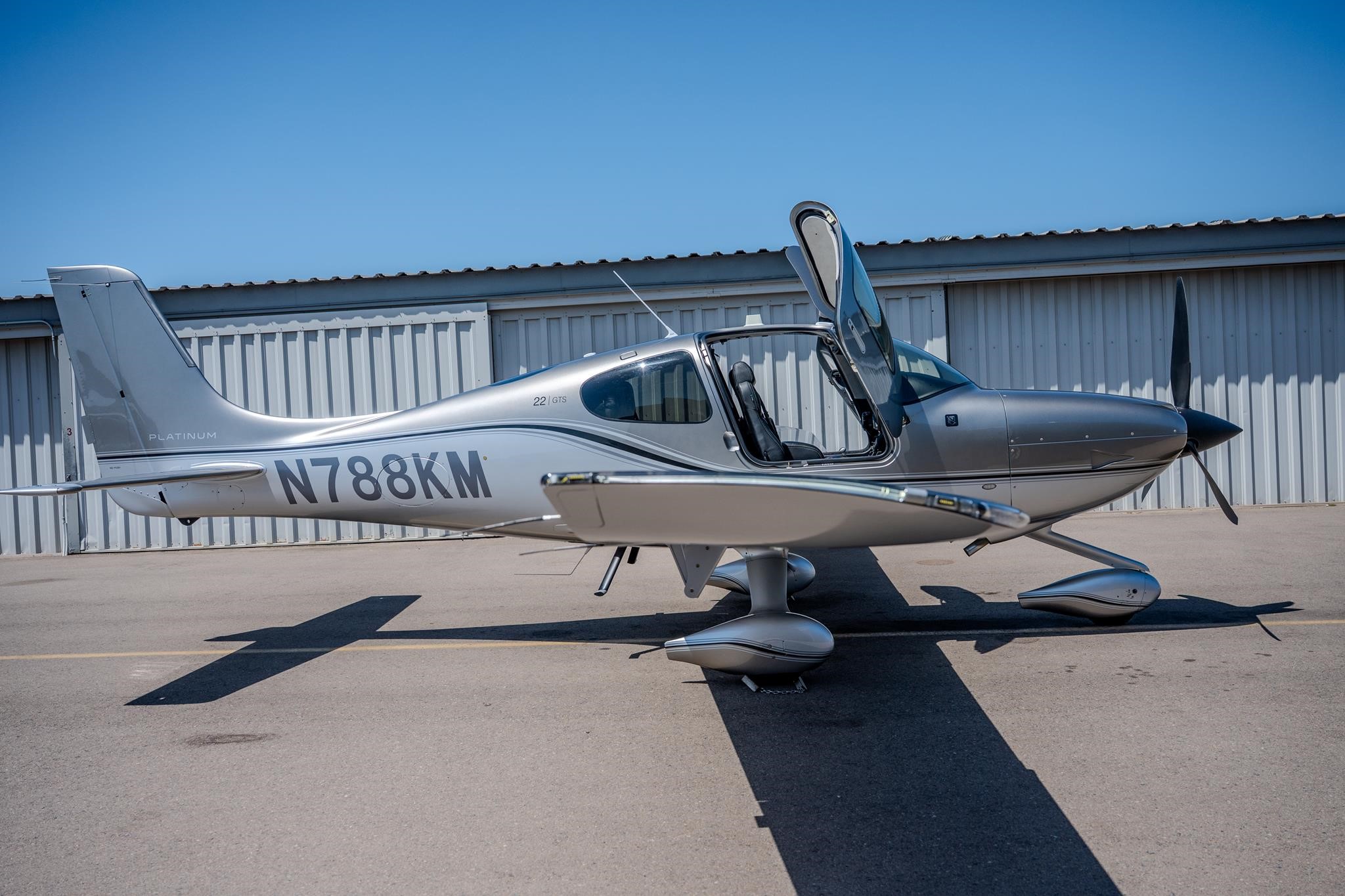
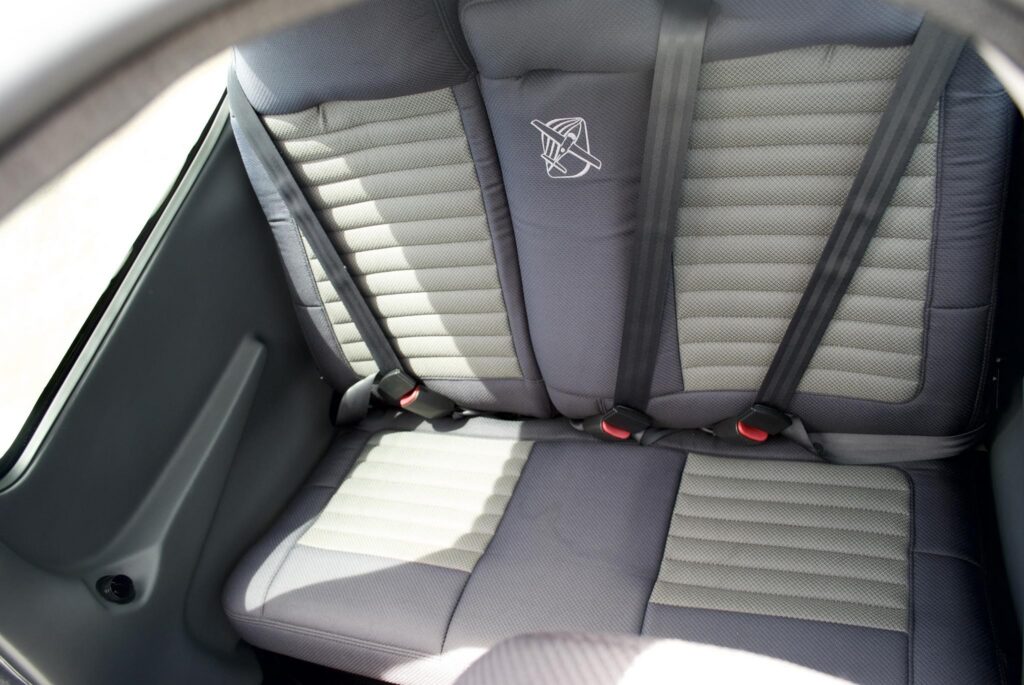
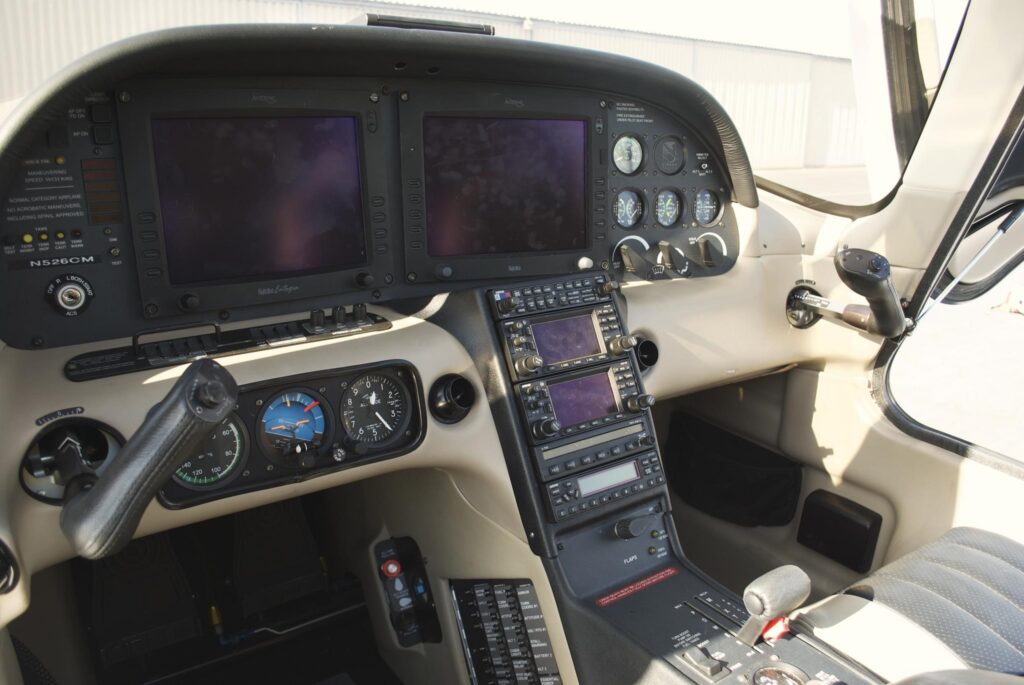
From the ramp, the two airplanes look almost identical. Both are composite, both have side-stick controls, a glass cockpit and the Cirrus Airframe Parachute System (CAPS) as standard. The cabin is the same width, the seats are the same, and a passenger would struggle to tell them apart.
The difference is under the cowling and in the wing. The SR20 uses a four-cylinder Lycoming: 200 horsepower on earlier aircraft, and a 215-horsepower IO-390 from the 2017 model onward. The SR22 uses a six-cylinder Continental of 310 horsepower, or 315 horsepower in the turbocharged SR22T. The SR22 also carries a larger wing with much more fuel.
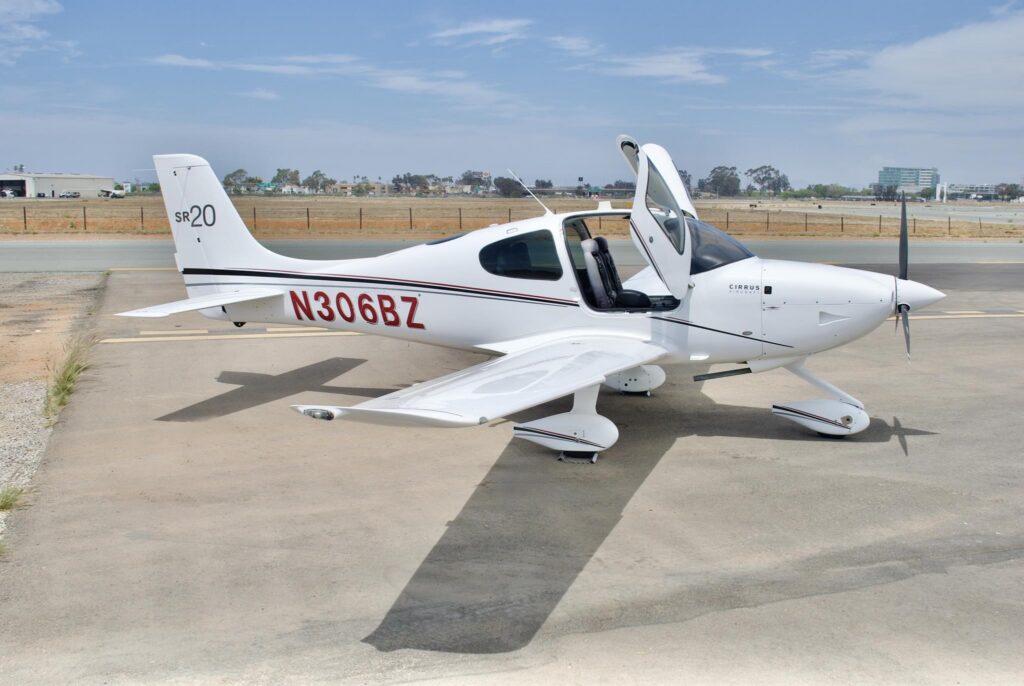
That extra 100 horsepower changes the personality of the airplane. The SR20 is calm and forgiving, a little slower in every phase of flight, and very easy to fly well. The SR22 is a fast traveling machine that rewards a pilot who stays ahead of it.
Side by Side: The Numbers That Matter
Exact figures vary by year, equipment and empty weight, so always check the Pilot’s Operating Handbook and the weight-and-balance for the specific serial number. As a general picture of later-model aircraft:
| Factor | Cirrus SR20 (2017+) | Cirrus SR22 | Cirrus SR22T |
|---|---|---|---|
| Engine | Lycoming IO-390, 215 hp | Continental IO-550-N, 310 hp | Continental TSIO-550-K, 315 hp |
| Typical max cruise | About 155 KTAS | About 180 to 183 KTAS | About 210 to 213 KTAS at altitude |
| Usable fuel | About 56 gal | About 92 gal | About 92 gal |
| Typical cruise fuel burn | About 10 to 11 gph | About 15 to 17 gph | About 17 to 18 gph |
| Realistic no-wind leg with reserve | About 550 to 650 nm | About 800 to 900 nm | About 800 to 950 nm |
| Max operating altitude | 17,500 ft | 17,500 ft | 25,000 ft |
| Known-ice option (FIKI) | No | Yes, on later aircraft | Yes, on later aircraft |
Speed on paper is only part of the story. On a 250-mile trip, the SR22 saves you roughly 15 to 20 minutes. On a 700-mile trip, the gap is closer to an hour and often decides whether you need a fuel stop at all. The longer your typical leg, the more the SR22 pays for itself in time.
The Three-Trip Test
Before you look at a single listing, write down three trips:
- The trip you will fly most often. Your weekly or monthly run: to the office in another city, a second home, a client.
- The trip you will fly a few times a year. The holiday visit, the family vacation, the conference.
- The trip you dream about. Coast to coast, the Bahamas, the long trip you bought the airplane for.
Now load each trip honestly: the real people, the real bags, the real time of year. Then ask which airplane flies each trip without a compromise you would resent.
Most buyers discover that trip one points to the SR20, trip three points to the SR22, and trip two decides the winner. Buy for trips one and two. You can rent, charter or make a fuel stop for trip three, but you pay for the airplane on every single flight.
Payload, Heat and Mountains: Where the SR20 Runs Out
The SR20 is a genuine four-seat airplane on a cool day with sensible bags. With four adults, full fuel and a hot afternoon, it is not. You will need to choose between people and fuel, and that is perfectly normal for a 215-horsepower airplane.
Where buyers get surprised is density altitude. A runway in Phoenix, Las Vegas or a mountain town on a summer afternoon can feel 3,000 to 5,000 feet higher to the airplane than the field elevation says. The SR20 still flies there, but the takeoff roll gets long and the climb gets slow. The SR22 handles the same situation with far more margin, and the SR22T keeps nearly all of its power as it climbs.
If you live in the desert Southwest or the Mountain West, take this seriously. Buyers working with our Phoenix aircraft broker team or our Las Vegas aircraft broker team lean toward the SR22 for exactly this reason. On the coast or in the flat Midwest, the SR20 makes a lot more sense.
What Each Airplane Really Costs to Own
The purchase price is the number everyone compares, but it is rarely the number that decides whether ownership feels good. Here is where the two airplanes differ once you own them.
Fuel
At roughly 6 gallons per hour more, the SR22 burns noticeably more fuel. At 100 hours a year, that is around 600 extra gallons. Multiply by your local 100LL price and you have a number worth knowing before you buy.
Engine reserve
A six-cylinder Continental costs more to overhaul than a four-cylinder Lycoming, and a turbocharged engine adds turbos, wastegates, exhaust and intercooler work on top. A smart owner puts money aside for every hour flown. On an SR22T, that hourly reserve is meaningfully higher than on an SR20.
Insurance
This is the one that catches low-time pilots. Underwriters treat the SR22 as a high-performance airplane, and a new private pilot can face much higher premiums, mandatory Cirrus transition training and dual-instruction requirements before solo flight. An SR20 is usually easier and cheaper to insure for the same pilot. Get real quotes before you make an offer. Our aircraft insurance checklist walks through what to ask.
The CAPS repack
Every Cirrus needs its parachute system repacked, with the rocket motor replaced, every ten years. It is one of the largest single maintenance items in Cirrus ownership, typically in the low-to-mid five figures depending on the generation and the shop, and it applies equally to both models. An airplane with a repack due next year is worth less than one that just had it done. Always check the date.
For a fuller picture of how running costs compare across aircraft types, see our market intelligence page.
The Question Most Guides Skip: Newer SR20 or Older SR22?
Here is the decision many buyers actually face. For the same money, you can often choose between a later SR20 with modern avionics and lower engine time, or an older SR22 with more performance, more hours and a panel that is a generation behind.
There is no universal right answer, but there are clear patterns:
- Choose the newer SR20 if you are early in your flying career, you want lower and more predictable maintenance, and you value modern avionics and fresh interiors more than speed.
- Choose the older SR22 if your missions genuinely need the range and payload, and you have the budget for a thorough pre-buy and the occasional surprise that comes with an older airframe.
- Be careful with the oldest aircraft of either model. First-generation airplanes cost more to repack because the parachute access is harder, and some early avionics are getting harder to support.
One more thing: engine time matters more than year. An older SR22 with a fresh, well-documented overhaul can be a better buy than a newer one approaching overhaul time. Our guide to how maintenance records affect aircraft value explains why.
A Quick Generation Guide for Used Buyers
Cirrus has improved both models through several generations. You do not need to memorise them, but these are the changes that move value on the used market:
- G1 and G2 (roughly 2001 to 2006): the most affordable entry point. Avionics vary widely, so look closely at what is actually installed.
- G3 (2007 onward): a redesigned wing and better useful load. From 2008 most aircraft moved to the Garmin-based Cirrus Perspective flight deck, which many buyers see as the sweet spot for value.
- G5 (2013 onward): a higher maximum takeoff weight on the SR22, which makes a real difference for four-person trips.
- G6 (2017 onward): Perspective+ avionics, and the SR20 moved to the 215-horsepower engine.
- G7 (2022 onward): a new touchscreen flight deck and an updated interior.
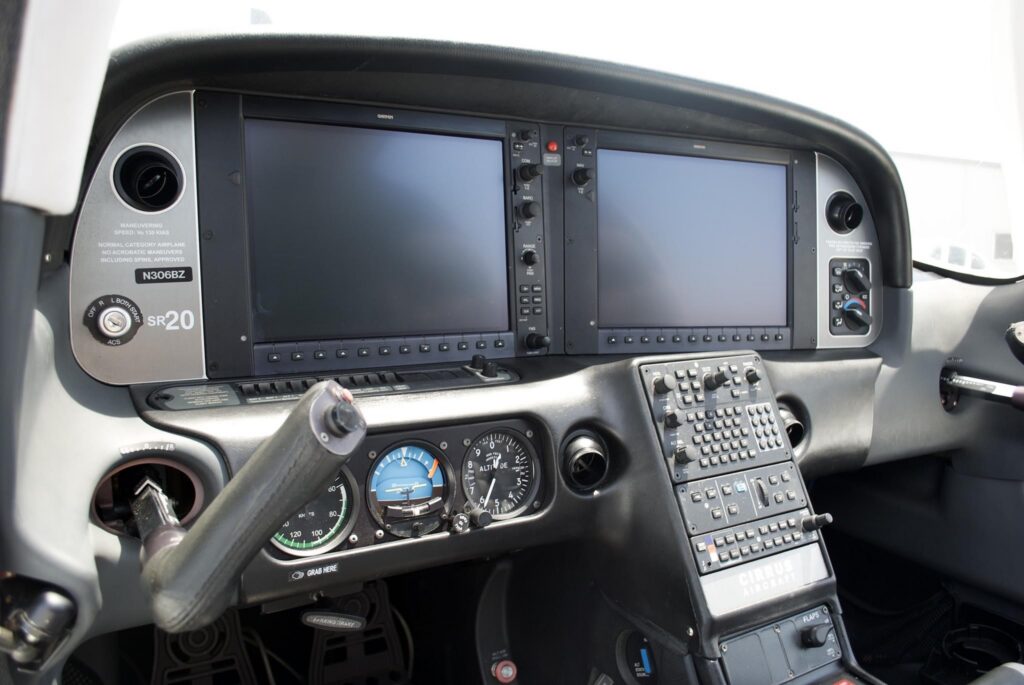
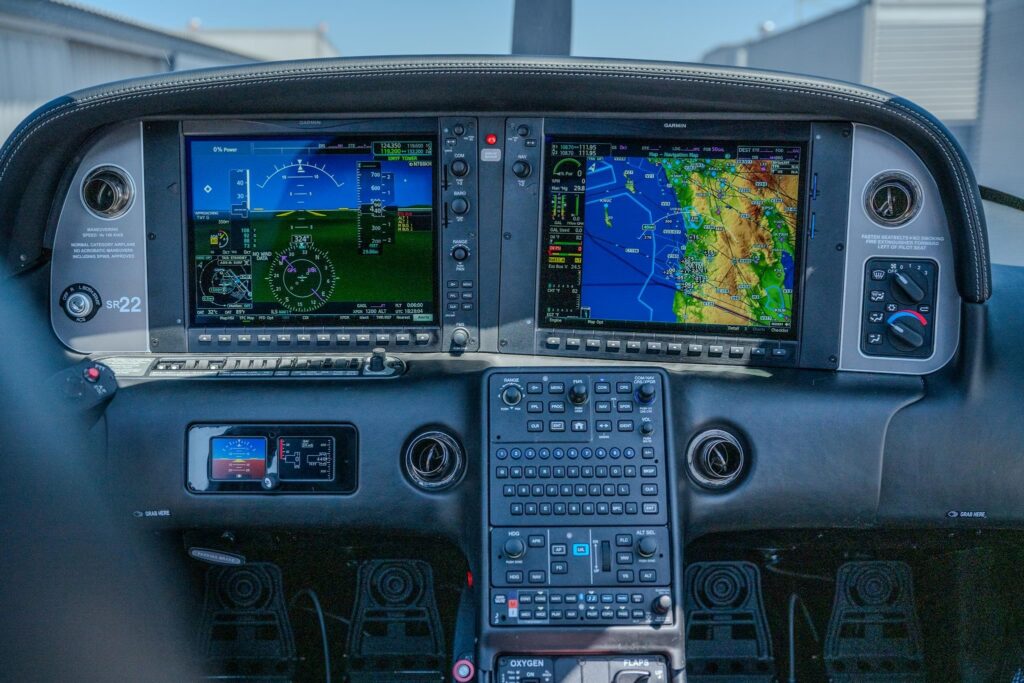
You can see current examples of each model on our Cirrus SR20 for sale and Cirrus SR22 for sale pages, or compare the whole family on our aircraft models hub.
What to Check on a Used Cirrus Before You Buy
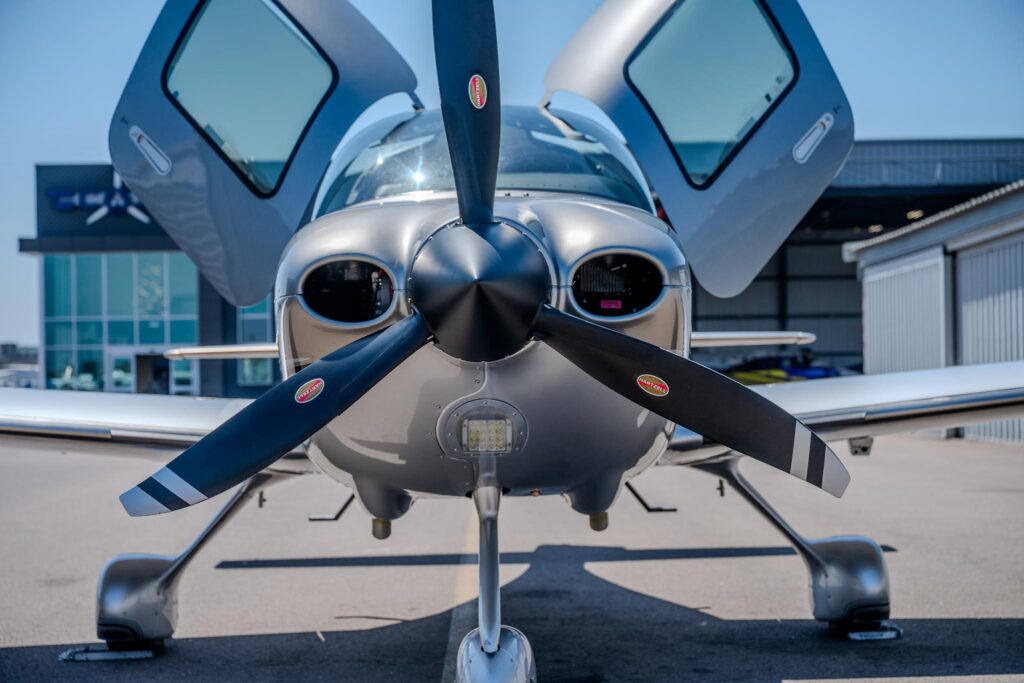
A general pre-buy inspection checklist covers the basics. On a Cirrus, add these:
- CAPS dates. The repack due date and the date of the parachute line cutters. Both affect price.
- Engine monitor data. Cirrus avionics record engine data. Ask for the downloaded files and have someone review cylinder temperatures and trends. Data does not hide problems the way a logbook can.
- Composite damage history. Composite repairs can be excellent or poor. Ask who did the work and whether it followed Cirrus procedures.
- Turbo condition on an SR22T. Exhaust, turbochargers and mounts deserve a careful look from a shop that knows the airplane.
- Avionics subscriptions and software. Check database status and which software features are enabled.
- Registration and history. Run the tail number through the FAA aircraft registry and pull any accident or incident history before you go further.
Use a shop that works on Cirrus aircraft every week, not one that sees one a year. If you want a second opinion on whether the asking price is fair, our guide on how to spot an overpriced aircraft is a good starting point.
Thinking About the Next Airplane
Many owners start in an SR20 and move to an SR22 two or three years later. That is a perfectly good plan. The SR20 is an excellent place to build hours and experience, and a well-kept example tends to hold its value because the next buyer is usually a pilot in the same position you were.
If you already know you will want the SR22 within a year or two, it can be cheaper to buy it now and avoid paying transaction costs twice. Our aircraft upgrade guide covers how to time a step up, and when you are ready to move on, we can help you sell your current aircraft.
For the wider Cirrus community, the Cirrus Owners and Pilots Association (COPA) is one of the best resources an owner can have, and its safety programs are worth joining whichever model you choose.
Frequently Asked Questions
Is the SR20 a good first airplane?
Yes. It is one of the most popular first airplanes for pilots who want modern avionics and the safety of CAPS. It is easier to insure than an SR22 for a low-time pilot and less demanding to fly well.
How much faster is the SR22 than the SR20?
About 25 to 30 knots in normal cruise for a naturally aspirated SR22, and about 50 to 55 knots for an SR22T flying at altitude. On short trips the difference is minutes. On long trips it can remove a fuel stop.
Is the SR22T worth it over the standard SR22?
It is worth it if you fly high, cross mountains, live somewhere hot, or regularly fly long legs where tailwinds at altitude help. For mostly low, short flights, the normally aspirated SR22 is simpler and cheaper to maintain.
Can the SR20 carry four adults?
It can, with reduced fuel and light bags, and on a cool day. If you often fly four adults with luggage, the SR22 is the more practical choice.
What is the biggest hidden cost in a used Cirrus?
For most buyers it is the ten-year CAPS repack, followed by engine overhaul timing. Both should be reflected in the price you pay.
Talk Through Your Mission With Us
Choosing between an SR20 and an SR22 is less about the airplane and more about you: how you fly, where you fly and what you want ownership to feel like. When those answers are clear, the right airplane usually is too.
If you would like a second set of eyes on your options, our aircraft acquisition team can help you compare real aircraft, review records, arrange the pre-buy and negotiate the deal. Start with a short conversation through our contact page, or browse more answers in our aircraft FAQ.