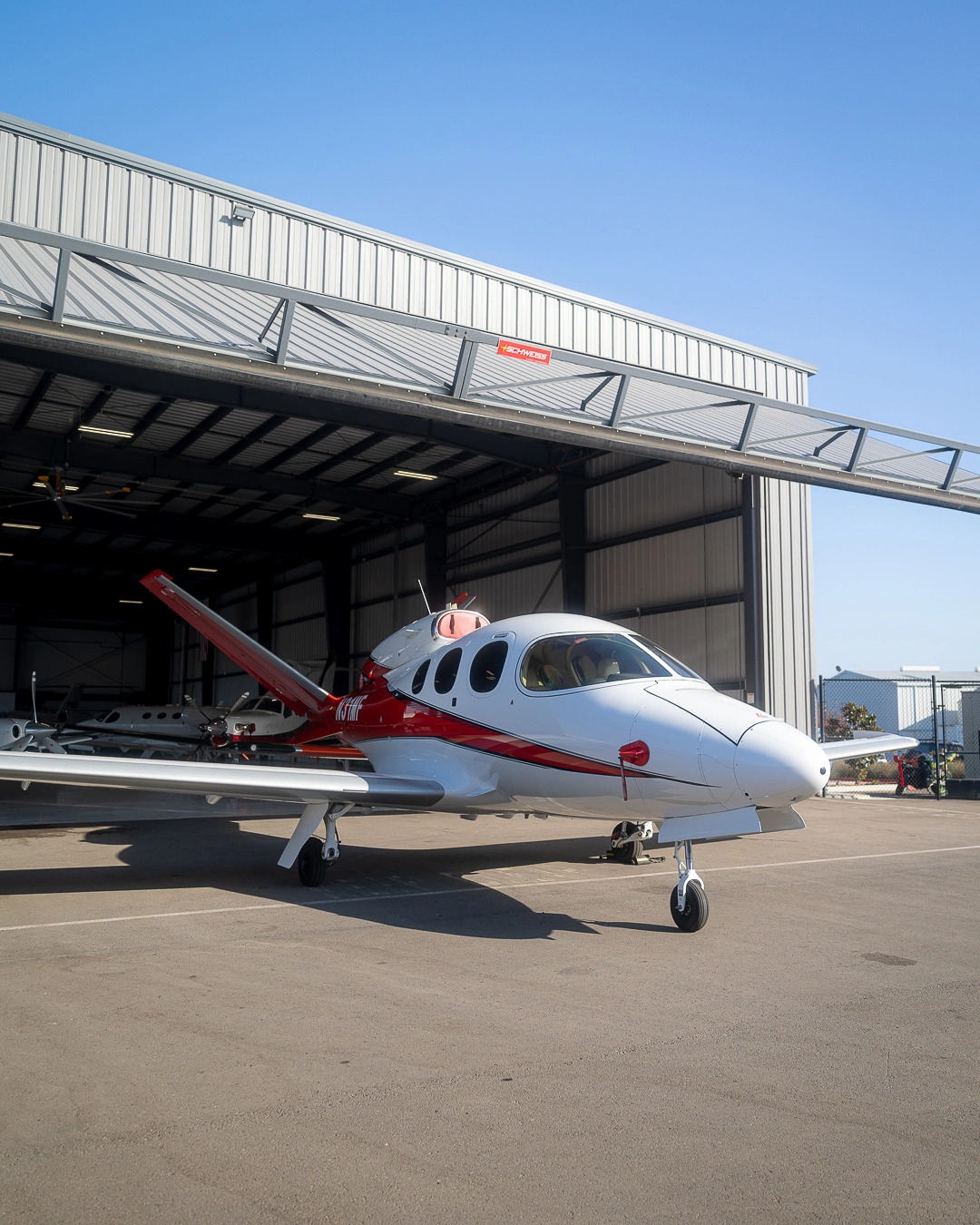
Lots of people buying planes spend their time on financing, checking maintenance logs, inspections, and working out the deal, but insurance is a key piece you can’t skip. Aircraft insurance protects your investment and is often required by lenders, airports, hangar owners, or anyone else involved in owning the plane.
Costs and what’s covered can vary widely depending on the specific aircraft, the pilot’s background, how you plan to use it, and the overall risks involved.
Many aircraft buyers work with Coast Aircraft Sales early in the acquisition process to evaluate aircraft options, review ownership considerations, and better understand the factors that may affect long-term operating costs.
Keep reading to gain a clear understanding of insurance requirements before closing, which can help buyers avoid surprises, better manage ownership costs, and move through the acquisition process more smoothly.
Aircraft Insurance Checklist:
Before you lock in on buying an aircraft, go over these insurance factors.
Review Hull Coverage Requirements
Hull insurance covers the plane against damage from accidents or other physical issues. Buyers need to know how the policy will value the aircraft and if the coverage actually matches its current market value.
Underinsuring leaves you open to big financial hits, while overinsuring just wastes money on extra premiums.
Understand Liability Coverage Options
This protects owners against claims for injury to people or property resulting from the aircraft’s operation. The amount of coverage varies from policy to policy, and buyers should carefully consider the extent of coverage that will meet the number of flights they expect.
Verify Pilot Qualification Requirements
No insurance company will insure a pilot unless he or she has a minimum number of years of experience. They commonly check things like:
- Total flight hours
- Time in aircraft type
- Recent flight experience
- Ratings and certifications
- Recurrent training history
Also Read: Aircraft Financing Guide for Private Buyers
Evaluate Aircraft Type and Risk Profile
The type of plane you buy directly affects insurance premiums.
Insurers look at factors such as the following:
- Aircraft age
- Aircraft value
- Performance characteristics
- Safety history
- Maintenance condition
- Intended operating environment
Review Intended Aircraft Use
The way you plan to fly the plane heavily influences how insurers underwrite the policy. Common examples include:
- Personal flying
- Business travel
- Flight training
- Shared ownership arrangements
Request Insurance Quotes Before Closing
Getting insurance quotes before the deal closes lets buyers see the real costs and any special conditions early. This move helps avoid nasty surprises once the purchase agreement is already done. A private jet broker helps buyers assess aircraft opportunities before closing, allowing them to identify potential ownership and acquisition considerations before making a final commitment.
Common Insurance Mistakes Buyers Should Avoid
First-time plane owners often run into insurance problems they could have prevented. Common mistakes include:
- Waiting until the last minute to obtain quotes
- Focusing only on the premium cost
- Overlooking policy exclusions
- Underestimating liability needs
- Assuming all aircraft qualify for similar coverage terms
- Failing to account for pilot experience requirements
How Insurance Connects to the Overall Acquisition Process
Insurance isn’t something separate from buying the plane. The aircraft’s condition, maintenance records, pilot qualifications, financing needs, and planned operations all affect what insurance you can get and how much it costs.
Looking at insurance alongside these other factors gives you the full picture of ownership and helps prevent costly issues after you take delivery.
Also Read: Aircraft Broker vs Direct Seller
Conclusion
The right aircraft isn’t just one that fits your budget or flying needs, it’s one you can finance, insure, fly, and maintain without major headaches down the line. Getting clear on insurance requirements before you buy helps buyers make better decisions and steer clear of unexpected ownership problems.
Coast Aircraft Sales supports buyers through the whole process of acquiring a plane. They help review aircraft history, ownership details, and transaction steps so clients can move ahead feeling confident and with a solid grasp of everything that impacts long-term ownership. Contact us now!
FAQs
1. Do I need insurance before buying an aircraft?
Insurance should generally be arranged before ownership transfers or the aircraft is operated. The purchase agreement, lender, airport, or management provider may establish specific coverage requirements.
2. What types of aircraft insurance should I consider?
Coverage may include aircraft hull insurance, passenger and third-party liability, ground risks, crew-related protection, and other transaction-specific options. An aviation insurance specialist can explain the available policies.
3. What information will an aircraft insurer require?
The insurer may request aircraft details, purchase price, intended use, storage location, annual flight hours, typical routes, pilot qualifications, loss history, and information about management or charter activity.
4. How do pilot qualifications affect aircraft insurance?
Pilot experience, licences, ratings, training, and time in the aircraft type can affect eligibility and premiums. The insurer may require additional training, supervised flight hours, or specific crew qualifications.
5. Does the aircraft’s age affect insurance costs?
It can. Insurers may consider aircraft age, market value, maintenance condition, parts availability, repair costs, and model-specific loss history when determining coverage and premiums.
6. Does a pre-buy inspection help with insurance?
An inspection can provide information about the aircraft’s condition, equipment, and maintenance status. The insurer may request inspection results or confirmation that identified discrepancies have been corrected.
7. Can I insure a financed aircraft?
Yes. The lender may specify minimum coverage, deductible limits, and how its financial interest must be shown on the policy. These requirements should be confirmed before closing.
8. Does aircraft use affect the insurance policy?
Yes. Personal use, business travel, flight instruction, leasing, and charter operations may have different coverage requirements. The intended use must be accurately disclosed to the insurer.
9. When should I request aircraft insurance quotes?
Request quotes early in the acquisition process. This allows time to compare policies, confirm pilot requirements, estimate ownership costs, and address coverage issues before closing.
10. What should I review before accepting an insurance policy?
Review coverage limits, hull value, liability protection, deductibles, exclusions, pilot requirements, permitted uses, territory limitations, and claims procedures. Ask an aviation insurance professional to explain any unclear terms.