Selling an aircraft in today’s aviation market requires more than routine maintenance and a polished exterior. Buyers carefully evaluate avionics, safety equipment, engine condition, regulatory compliance, cabin comfort, maintenance records, and anticipated ownership costs before making an offer. Even a dependable aircraft can struggle to attract interest if it appears outdated or requires significant work immediately after the sale.
The right improvements can strengthen buyer confidence, make a listing more competitive, and support a better sale price. However, not every modification delivers an equal return. Expensive, highly customized upgrades may appeal to one buyer while discouraging others.
Many owners work with aircraft brokerage professionals such as Coast Aircraft Sales to identify improvements that align with current market expectations. A strategic approach helps sellers invest in upgrades that improve marketability without overspending before the aircraft is listed.
Aircraft Upgrades That Can Increase Resale Value
The most valuable aircraft upgrades generally improve safety, compliance, reliability, operating efficiency, or passenger comfort. They also reduce the amount of work and expense a buyer may face after completing the purchase.
Before approving any major project, sellers should consider the aircraft’s age, model, condition, expected market value, and typical buyer profile. The objective is not necessarily to create a fully customized aircraft. It is to present a well-maintained, properly documented, and market-ready asset.
Upgrade Outdated Avionics Systems
Modern avionics are among the most influential upgrades when selling an aircraft. Buyers often prefer updated systems because they improve cockpit usability, situational awareness, navigation capabilities, and operational convenience.
Common avionics improvements include:
- Glass cockpit displays
- WAAS-enabled GPS navigation
- ADS-B equipment
- Digital autopilot systems
- Synthetic vision systems
- Digital engine monitoring displays
- Weather radar integration
- Traffic awareness systems
An outdated analog panel may not automatically prevent a sale, but buyers are likely to account for future modernization costs when preparing an offer. Updated avionics can reduce that concern and help the aircraft compete against similar listings.
The potential return depends heavily on the aircraft and its target market. Sellers should obtain professional advice before investing in a complete panel replacement, as installation costs may not always be recovered through the final sale price.
Confirm ADS-B Equipment and Operational Compliance
Buyers want to know that an aircraft can operate within their intended airspace without requiring immediate equipment changes. Confirming the aircraft’s ADS-B status and documenting the installed equipment can therefore improve buyer confidence.
The importance of ADS-B equipment may be especially relevant to:
- Corporate operators
- Cross-country pilots
- Charter buyers
- Frequent IFR operators
- Buyers planning to use controlled airspace regularly
Rather than making a general claim that every aircraft requires the same equipment, sellers should verify which regulations apply to the aircraft’s intended operations. Installation records, logbook entries, equipment approvals, and supporting documents should also be available for buyer review.
Refresh the Cabin Interior Professionally
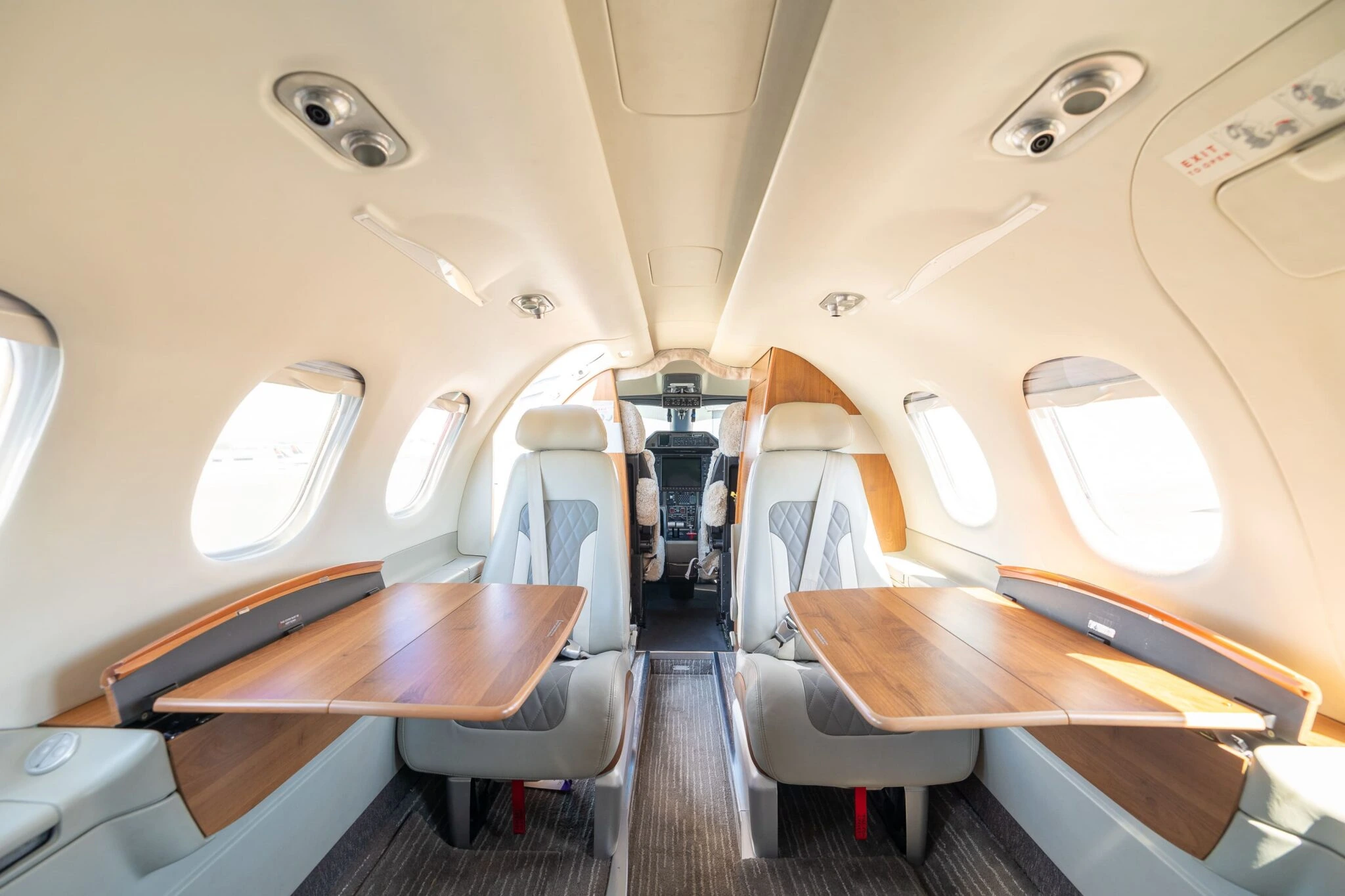
Cabin condition has an immediate effect on a buyer’s first impression. Worn seats, damaged panels, faded carpeting, and outdated materials can make an otherwise capable aircraft appear poorly maintained.
High-impact interior improvements may include:
- New or reconditioned leather seating
- Updated side panels and trim
- Modern cabin materials
- LED cabin lighting
- New carpeting or flooring
- Restored cabinetry and hardware
- Improved soundproofing
- Repaired window shades and seals
A complete interior replacement is not always necessary. Professional cleaning, leather conditioning, minor upholstery repairs, carpet replacement, and trim restoration may produce a substantial visual improvement at a lower cost.
Sellers should generally choose neutral, durable materials with broad market appeal. Highly personalized colors or configurations may limit the number of interested buyers.
Improve the Exterior Paint Condition
Exterior appearance strongly influences online listing performance and in-person inspections. Faded paint, visible corrosion, damaged markings, or an outdated paint scheme may cause buyers to question how the aircraft has been maintained.
Depending on its condition, appropriate exterior improvements may include:
- Professional washing and detailing
- Paint correction and polishing
- Touch-up work
- Corrosion treatment
- Surface restoration
- Updated exterior markings
- A complete repaint when financially justified
A full repaint can be expensive and may not deliver an equal return on every aircraft. If the existing finish remains serviceable, professional detailing and targeted corrections may offer better value.
The exterior should also be photographed professionally after the work is completed. Clear, well-lit images allow buyers to appreciate the aircraft’s condition before arranging an inspection.
Evaluate Engine Work Strategically
Engine time and condition significantly influence aircraft valuation. Buyers typically review the time since overhaul, inspection history, usage patterns, oil analysis results, and supporting maintenance records before making an offer.
Engine-related improvements may include:
- Completing required inspections
- Correcting known discrepancies
- Updating engine trend monitoring
- Organizing oil analysis records
- Completing a hot-section inspection when due
- Performing an overhaul when commercially justified
A freshly overhauled engine may increase confidence and broaden buyer interest, but a full overhaul is a major investment. The seller may not recover the entire cost through a higher sale price.
Before authorizing substantial engine work, owners should compare the estimated cost with the aircraft’s market value and likely buyer expectations. In some situations, transparent pricing that accounts for remaining engine time may be more practical than completing an overhaul before listing.
Upgrade Aircraft Connectivity
Connectivity is increasingly important to corporate operators and business travelers. Reliable in-flight communication can make an aircraft more attractive, particularly when buyers expect passengers to work while traveling.
Popular connectivity improvements include:
- Cabin Wi-Fi
- Satellite communication systems
- USB and USB-C charging ports
- Bluetooth integration
- Wireless entertainment systems
- Updated cabin power outlets
The value of these upgrades depends on the aircraft’s mission and buyer profile. Connectivity may be a strong selling point for a business jet but less important for an aircraft primarily used for short recreational flights.
Sellers should also provide accurate information about subscription requirements, ongoing service costs, geographic coverage, and equipment compatibility.
Install Modern Safety Technology
Safety-related upgrades can increase buyer confidence and improve the aircraft’s competitive position. Equipment that supports situational awareness, visibility, and workload management may be particularly attractive to frequent or professional operators.
Potential safety improvements include:
- Terrain awareness systems
- Traffic collision avoidance technology
- Enhanced vision systems
- Modern digital autopilots
- Updated emergency locator transmitters
- Improved weather detection equipment
- Angle-of-attack indicators where appropriate
All equipment should be installed by qualified professionals and supported by complete documentation. Buyers may examine installation approvals, supplemental type certificates, logbook entries, and maintenance requirements during the pre-purchase process.
Improve Climate Control Performance
Cabin comfort becomes especially noticeable during showings and test flights. Weak air conditioning, inconsistent airflow, unusual odors, or unreliable temperature controls can quickly create a negative impression.
Climate-control improvements may include:
- Servicing the environmental control system
- Replacing worn compressors or components
- Improving cabin airflow
- Updating temperature controls
- Cleaning ventilation systems
- Repairing damaged vents or ducting
Sellers should confirm that heating, ventilation, and air-conditioning systems operate correctly before presenting the aircraft to buyers. Addressing small problems early can help prevent them from becoming negotiation points later.
Optimize the Cabin Layout
A practical cabin layout can make an aircraft appealing to a broader buyer group. Depending on the model and mission, valuable configuration improvements may include:
- Flexible executive seating
- Improved workspace integration
- Better passenger movement
- More practical storage
- Refurbished tables or work surfaces
- Updated galley components
Any significant configuration change should be evaluated carefully. A layout designed for a very specific use may reduce overall market appeal. Sellers should favor practical improvements that complement the aircraft’s typical mission.
Upgrade Interior and Exterior Lighting
LED lighting can provide a noticeable visual improvement without the cost of a full cabin refurbishment. Modern lighting may improve:
- Cabin appearance
- Passenger comfort
- Energy efficiency
- Exterior visibility
- Maintenance reliability
Replacing unreliable or inconsistent lighting can make the aircraft feel newer and better maintained. All installations should use approved components and be documented appropriately.
Replace Worn Windows, Seals, and Cabin Trim
Scratched windows, damaged seals, loose hardware, and worn trim can undermine an otherwise strong presentation. These issues are often highly visible during an inspection.
Useful improvements may include:
- Restoring or replacing damaged windows
- Repairing cabin trim
- Updating worn hardware
- Replacing damaged window shades
- Correcting door-seal problems
- Repairing interior panels
Addressing these details demonstrates attentive ownership and may reduce the number of cosmetic deductions raised during negotiations.
Improve the Landing Gear Presentation
Buyers and inspectors often examine landing gear closely because its condition can indicate the quality of ongoing maintenance.
Before listing, sellers should review:
- Tire condition
- Brake wear
- Hydraulic system integrity
- Strut condition
- Gear cleanliness
- Corrosion or fluid leaks
- Relevant inspection records
Cleaning the landing gear does not replace mechanical maintenance, but a clean and properly serviced system contributes to a positive inspection experience. Any known discrepancy should be corrected or disclosed clearly.
Organize Aircraft Documentation
Complete aircraft records can be as important as physical upgrades. Missing, disorganized, or inconsistent documentation may delay due diligence, create uncertainty, and reduce the aircraft’s perceived value.
Important records include:
- Airframe, engine, and propeller logbooks
- Inspection reports
- Airworthiness directive compliance
- Supplemental type certificate documentation
- Major repair and alteration records
- Equipment installation records
- Weight-and-balance information
- Damage history
- Oil analysis and engine monitoring reports
- Life-limited component records
Sellers should review the records before listing and resolve missing information where possible. A well-organized digital record set can help qualified buyers complete their initial review more efficiently.
Consider Lightweight Performance Improvements
Weight-saving upgrades may improve payload flexibility and operating efficiency. Depending on the aircraft, examples may include:
- Lightweight seating
- Composite interior components
- Modern battery systems
- Consolidated avionics installations
- Removal of obsolete equipment
Any weight change must be documented correctly and reflected in the aircraft’s weight-and-balance records. Sellers should avoid removing useful equipment solely to advertise a lower empty weight without considering the aircraft’s intended mission.
How to Maintain an Aircraft’s Resale Value
Upgrades alone cannot compensate for inconsistent maintenance. Buyers want evidence that the aircraft has been operated responsibly and cared for throughout its ownership history.
Follow the Maintenance Schedule
Complete scheduled inspections and preventive maintenance on time. Deferred work can create concern during a pre-purchase inspection and may give buyers greater leverage during price negotiations.
Store the Aircraft Properly
Hangar storage can help protect the aircraft from sunlight, moisture, severe weather, corrosion, and premature exterior wear. Proper storage supports the condition of:
- Paint and exterior finishes
- Cabin materials
- Avionics
- Windows and seals
- Structural components
Keep Maintenance Records Organized
Maintain accurate records for inspections, repairs, component replacements, upgrades, and regulatory compliance. Clear documentation reduces uncertainty and helps buyers understand the aircraft’s history.
Address Cosmetic Problems Early
Small cosmetic issues can worsen over time. Repairing scratches, damaged trim, worn upholstery, faded paint, and window damage early can help preserve the aircraft’s appearance and prevent more expensive restoration work.
Operate Aircraft Systems Regularly
Long periods of inactivity can contribute to mechanical, electrical, battery, seal, and corrosion-related problems. Aircraft should be operated and maintained according to manufacturer guidance and advice from qualified maintenance professionals.
Use Approved, High-Quality Parts
Properly approved parts and professional installation support reliability, airworthiness, and buyer confidence. Installation and repair work should always be recorded accurately.
Avoid Delaying Important Repairs
Deferred repairs may grow more expensive and become major negotiation issues during a sale. Promptly addressing airworthiness and reliability concerns demonstrates responsible ownership.
Monitor Corrosion Carefully
Corrosion can substantially affect aircraft condition and value. Regular inspections are especially important for aircraft based near coastal areas or operated in humid environments.
How to Maximize the Aircraft Sale Price Before Listing
To maximize the aircraft sale price, owners should prepare both the aircraft and its records before the listing goes live. Buyers commonly compare avionics, engine status, maintenance history, paint, interior condition, equipment, and expected ownership costs across competing aircraft.
Practical preparation steps include:
- Review all maintenance records
- Correct visible cosmetic issues
- Confirm avionics and equipment status
- Identify upcoming inspections
- Document recent upgrades
- Prepare the cabin for photography and showings
- Gather specifications and equipment lists
- Research current market demand
- Set a defensible asking price
- Seek professional guidance before approving major upgrades
Preparation can reduce uncertainty, attract more qualified buyers, and limit the number of issues used to negotiate a lower price.
How to Optimize Aircraft Listings Online After Upgrades
Aircraft upgrades only support a sale when buyers can understand their value. An effective online listing should clearly identify recent work instead of relying on broad statements such as “fully upgraded” or “excellent condition.”
The listing should include:
- Accurate aircraft specifications
- High-resolution exterior and interior photographs
- Avionics and equipment details
- Engine and component times
- Recent inspection information
- Cabin and paint condition
- Upgrade dates and supporting documentation
- Relevant operational highlights
- A clear description of the aircraft’s maintenance history
Listing information must be accurate and consistent with the aircraft’s records. Clear presentation helps buyers determine whether the aircraft meets their needs before requesting additional documents or scheduling an inspection.
Which Aircraft Upgrades Offer the Best Return?
There is no single upgrade that provides the best return for every aircraft. The most effective improvements are those that correct a clear market disadvantage or remove an immediate concern for potential buyers.
For example, modern avionics may be valuable when comparable aircraft already have updated panels. Cosmetic restoration may deliver a better return when the aircraft is mechanically strong but presents poorly. Organizing incomplete records may be more important than either if documentation problems are discouraging qualified buyers.
Before spending money, sellers should consider:
- The aircraft’s current market value
- Comparable listings and recent sales
- Buyer expectations for the model
- Upgrade and installation costs
- Downtime before listing
- Ongoing subscription or maintenance expenses
- Whether the investment is likely to improve price, marketability, or both
The best pre-sale strategy is based on market evidence rather than personal preference.
Conclusion
Improving aircraft resale value requires a balance of maintenance, presentation, documentation, and strategic upgrades. Buyers want an aircraft that is safe, properly maintained, appropriately equipped, and ready for its intended mission. Updated avionics, a clean cabin, strong engine records, reliable systems, and organized documentation can all strengthen buyer confidence.
However, sellers should avoid investing in upgrades without first considering the likely return. A costly modification may improve the aircraft without increasing the final sale price by the same amount.
Coast Aircraft Sales helps owners evaluate their aircraft from a buyer’s perspective, identify improvements that may strengthen its market position, and prepare an accurate, professional listing. This guidance can help sellers avoid unnecessary expenses while attracting serious prospects and supporting more productive negotiations.
Whether you are preparing a piston aircraft, turboprop, or business aircraft for sale, Coast Aircraft Sales provides industry knowledge and transaction support throughout the sales process. Contact us today to discuss your aircraft and determine the most effective strategy for bringing it to market.
FAQs:
What features or equipment upgrades add the most value to a jet sale?
Modern avionics, ADS-B compliance, cabin refresh work, connectivity systems, safety technology, clean paint, engine monitoring, and complete maintenance records usually add the most value to a jet sale.
What avionics upgrades boost aircraft resale value?
WAAS-enabled GPS, ADS-B Out, glass cockpit displays, digital autopilot, synthetic vision, traffic awareness systems, weather radar, and engine monitoring can help boost aircraft resale value.
What are the benefits of upgrading aircraft avionics before selling?
Upgrading aircraft avionics can improve buyer confidence, support compliance, improve cockpit usability, reduce future upgrade concerns, and make the aircraft more attractive in the resale market.
What are the best light aircraft interior upgrades for resale value?
The best light aircraft interior upgrades for resale value include new seat upholstery, fresh carpeting, clean side panels, LED lighting, updated seatbelts, restored trim, and neutral cabin finishes.
What should buyers check when buying used aircraft?
Buyers should check avionics, engine time, maintenance records, logbooks, compliance status, cabin condition, paint, corrosion history, inspection status, and future ownership costs.
Why is the aircraft cabin upgrade market important for sellers?
The aircraft cabin upgrade market shows that buyers are paying more attention to comfort, connectivity, lighting, seating, and interior condition. Sellers can use this trend by choosing practical cabin upgrades that improve buyer interest without over-customising the aircraft.