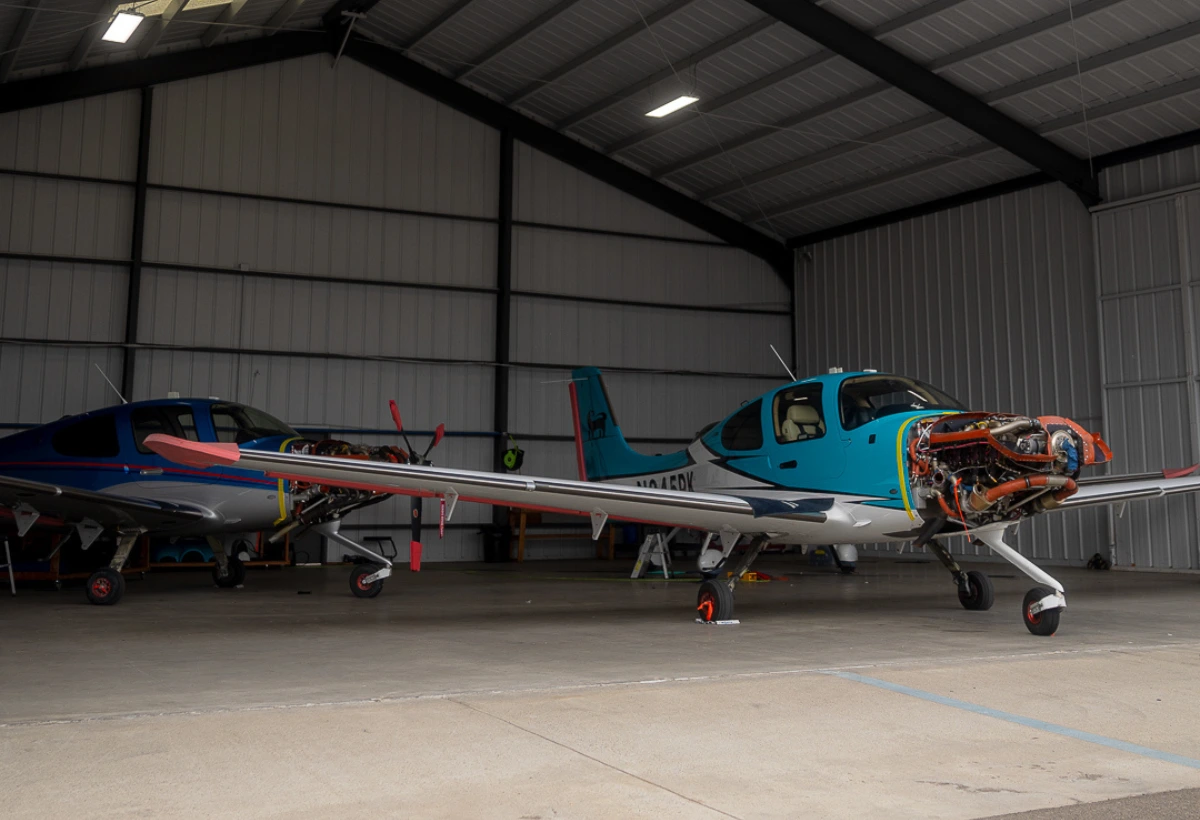
Important Questions Buyers Should Ask During Inspection
Buyers also need to learn about all possible short- and long-term ownership expenses before finalizing the deal. Good questions during the inspection help stop costly surprises after delivery.
Are All Maintenance Logs Complete?
Full maintenance records prove inspection history, repairs, engine service, and FAA compliance.
Has the Aircraft Ever Experienced Structural Damage?
Aircraft reliability, resale value, insurance, and service cost may be impacted by previous accident damage, rust repairs, hard landings, or unrecorded changes following aircraft ownership transfer.
Are Any Major Inspections Due Soon?
Upcoming inspections can create significant ownership costs right after buying. Buyers need to carefully spot upcoming annual checks, engine overhauls, landing gear service, and FAA rules.
What Is the Current Engine Condition?
Engine condition directly affects aircraft reliability and ongoing costs. Buyers should examine engine hours, overhaul plans, oil reports, and service consistency before approving the purchase.
Are There Any Deferred Maintenance Issues?
Postponed maintenance may hide operation troubles or future repair bills. Purchase any unfinished service suggestions, unfinished repairs and delays before closing the deal.
Is Corrosion Present Anywhere on the Aircraft?
Corrosion remains one of the most expensive aircraft repair issues. Careful examination of wings, fuselage areas, landing gear and hidden structure areas is requested by the buyers.
What Will the Annual Maintenance Costs Look Like?
The cost of owning an aircraft includes regular servicing, inspection and part replacement expenses. Buyers should get a clear picture of yearly operating costs before signing ownership papers.
How Much Will Insurance Cost After Purchase?
The insurance that applies to aircraft varies depending on the type of aircraft, the pilot’s experience, how often it is flown, and the results of the inspection. Before the purchase is completed, the buyer should estimate insurance costs.
What about Estimated Fuel and Operating Costs?
Long-term costs are significantly influenced by factors such as fuel usage, airport fees, crew compensation, and operational costs.
Will the Aircraft Require Immediate Upgrades?
Some planes need avionics updates, interior refreshes, cosmetic fixes, or rule-compliance work soon after purchase. Buyers should learn the expected upgrade costs during the inspection.
Are All FAA Airworthiness Directives Completed?
Unfinished FAA Airworthiness Directives can lead to legal, operational, and financial troubles after purchase. Buyers should confirm all required rules have been met before purchase.
Conclusion
Numerous private aircraft purchasers wind up losing money long before the plane has ever taken flight. Hidden rust, missing service records, poor repairs, outdated avionics, and ignored check issues can quickly turn a plane purchase into a heavy financial burden. A good pre-buy inspection is not extra protection; it is one of the most vital steps for safeguarding long-term aircraft value, flight safety, and financial confidence.
Coast Aircraft Sales helps private aircraft buyers reach wiser buying choices with expert aviation support and deal assistance. Our team assists buyers with plane sourcing, technical reviews, inspection setup, negotiation plans, and acquisition handling, aimed at reducing costly errors and protecting long-term ownership outcomes.
FAQs
1. What is a pre-buy aircraft inspection?
A pre-buy inspection is an evaluation conducted before an aircraft purchase is completed. It helps the buyer understand the aircraft’s physical condition, maintenance status, records, and potential future expenses.
2. Is a pre-buy inspection legally required?
A pre-buy inspection is not always legally required, but it is an important part of purchasing due diligence. It can help buyers identify risks that may not be apparent from the listing or initial aircraft viewing.
3. Who should perform the aircraft inspection?
The inspection should be completed by a qualified maintenance facility or aircraft technician familiar with the specific make and model. Ideally, the inspector should be independent of the seller.
4. What does a pre-buy aircraft inspection include?
The scope may include the airframe, engines, avionics, landing gear, cabin, exterior, maintenance records, repairs, modifications, and regulatory compliance. The exact checklist should reflect the aircraft type and purchase agreement.
5. How long does a pre-buy inspection take?
The inspection timeline varies depending on the aircraft’s size, age, condition, records, and inspection scope. Additional time may be needed if discrepancies are discovered or specialised testing is required.
6. Who pays for the pre-buy inspection?
The buyer commonly pays the initial inspection cost, although responsibilities can be negotiated in the purchase agreement. The agreement should also explain who will pay for correcting any discovered discrepancies.
7. What happens if the inspection reveals problems?
The buyer may request repairs, renegotiate the price, ask for a financial credit, accept the aircraft as-is, or withdraw if permitted by the agreement. The available options depend on the negotiated contract terms.
8. Are maintenance records part of the inspection?
Yes. Maintenance records are essential for confirming inspection history, component status, modifications, repairs, and regulatory compliance. Missing or incomplete records can affect both aircraft value and future resale.
9. Can a pre-buy inspection identify every possible problem?
No inspection can guarantee that every future issue will be identified. However, a thorough evaluation by qualified professionals can significantly improve the buyer’s understanding of the aircraft’s current condition.
10. Should the inspection facility provide a written report?
Yes. A written report should document the inspection scope, findings, discrepancies, supporting evidence, and recommended actions. Buyers can use this information during negotiations and when making the final purchase decision.