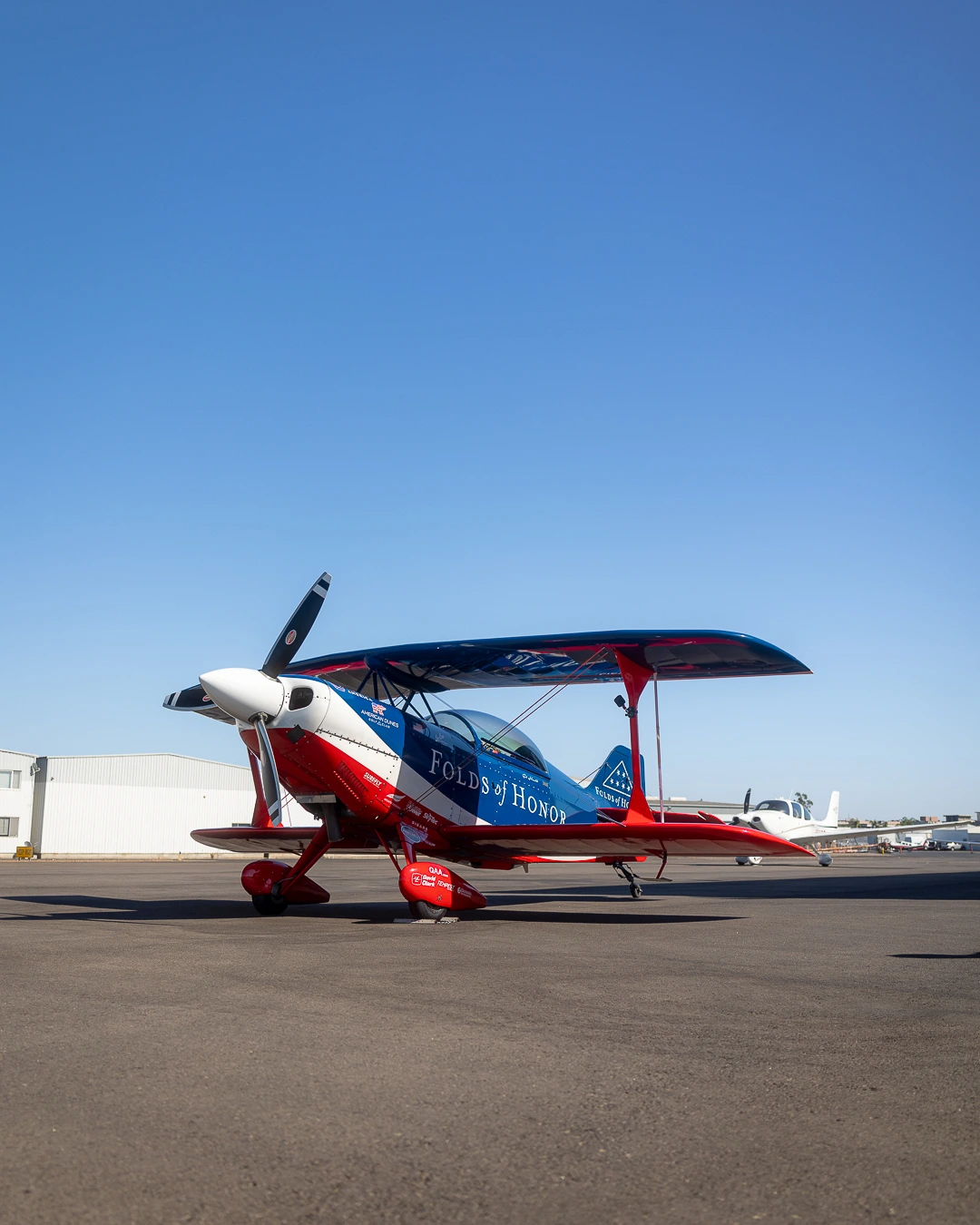
Selling an aircraft does not happen overnight. It requires time and effort unless the owner has a clear strategy and a thorough understanding of the aviation market. Many owners encounter limited buyer interest, unreasonably low offers, incomplete documentation, ineffective online listings, or transactions that collapse during the final stages. Meanwhile, the aircraft may continue to depreciate as monthly maintenance, insurance, and hangar expenses accumulate.
Buyers in today’s market expect transparent information, complete records, realistic pricing, and professional listings before beginning serious negotiations. Even aircraft in excellent condition can remain available for months when owners underestimate the complexity of the sales process.
This is one reason why working with an experienced aircraft broker in San Diego can be essential when selling an aircraft efficiently, building buyer confidence, and securing a smooth transaction. The Coast Aircraft Sales team presents aircraft professionally, identifies prospective buyers, supports negotiations, and keeps transactions moving without unnecessary or expensive delays.
Continue reading to understand how the fundamentals of aircraft brokerage can help owners improve exposure, connect with qualified buyers, and complete transactions with fewer complications.
What Is Aircraft Brokerage?
Aircraft brokerage refers to professional services that help aircraft owners market, negotiate, and complete sales through a structured transaction process. Brokers serve as intermediaries between sellers and qualified buyers while handling the practical, financial, technical, and documentation requirements of the transaction.
Aircraft brokerage services may include:
- Aircraft valuation
- Market analysis
- Qualified buyer sourcing
- Listing management
- Documentation support
- Negotiation assistance
- Transaction coordination
Experienced aircraft brokerage professionals at Coast Aircraft Sales simplify the complicated aspects of selling an aircraft while expanding its exposure among relevant and qualified buyers.
Read More: What Does an Aircraft Management Company Do?
Why Aircraft Sales Often Take Longer Than Expected
Aircraft transactions involve considerably more complexity than standard automobile or commercial vehicle sales. When owners attempt to manage every requirement independently, incorrect pricing, buyer expectations, maintenance concerns, and incomplete documentation frequently cause delays.
Incorrect Aircraft Pricing
Aircraft listed above their supportable market value generally receive fewer legitimate inquiries and remain available longer in today’s competitive marketplace.
Incomplete Maintenance Documentation
Buyers can quickly lose interest when they identify gaps in logbooks, inspection reports, regulatory compliance documents, engine records, or modification documentation during their review.
Weak Aircraft Marketing and Exposure
Low-quality photographs, limited advertising, and vague descriptions can prevent an aircraft from reaching qualified buyers who are actively searching for that particular model.
Limited Access to Qualified Buyers
Many private sellers struggle to identify prospective buyers who have both the financial capacity and operational need for the specific aircraft being offered.
Delayed Communication During Negotiations
Slow responses, missing information, and disorganized transaction management can cause qualified buyers to withdraw and pursue other available aircraft.
Importance of Professional Aircraft Brokerage
Professional aircraft brokerage helps owners avoid common mistakes and achieve better results in pricing, visibility, buyer engagement, and overall transaction speed within a competitive market.
Helps Establish Competitive Aircraft Pricing
Brokers analyze current market conditions, comparable aircraft listings, completed transactions, aircraft condition, operating history, equipment, and buyer demand before recommending an appropriate asking price.
Improves Aircraft Marketing Reach
Brokers can present the aircraft to relevant buyers through established aviation marketplaces, professional networks, industry relationships, targeted campaigns, and direct buyer databases.
Reduces Unnecessary Transaction Delays
Experienced brokers coordinate negotiations, inspections, documentation reviews, escrow requirements, and closing activities to keep the sale organized and moving efficiently.
Screens Financially Qualified Buyers
Brokers evaluate prospective buyers and their financial qualifications, helping sellers avoid unproductive inquiries and conserve valuable time throughout the sales process.
Simplifies Complex Aviation Transactions
Aircraft sales involve legal documentation, physical inspections, financial coordination, title verification, and regulatory requirements. Brokers provide the knowledge needed to manage these responsibilities correctly.
Tips to Sell Your Aircraft Faster
Selling an aircraft successfully requires careful preparation, transparency, strategic market positioning, and organized transaction management from listing through closing.
Organize Maintenance and Aircraft Records Properly
Complete logbooks, engine records, inspection reports, avionics documentation, compliance records, and supporting paperwork strengthen buyer confidence and make the due diligence process more efficient.
Price the Aircraft Realistically
A price that reflects current demand, actual condition, maintenance history, equipment, and comparable aircraft sales generally attracts buyer interest more quickly and supports productive negotiations.
Invest in Professional Aircraft Photography
When marketing an aircraft online, sharp and professionally composed photographs clearly showing its exterior, cabin, cockpit, avionics, and condition can significantly improve its presentation.
Improve Aircraft Appearance Before Listing
Thorough exterior and interior cleaning, minor cabin improvements, and correction of small cosmetic concerns can create a positive first impression and increase the aircraft’s appeal to qualified buyers.
Create Detailed Aircraft Listings
An effective listing should include important information about specifications, maintenance, upgrades, engine hours, inspection history, avionics, aircraft usage, equipment, and ownership history.
Respond to Buyer Inquiries Quickly
Prompt and accurate responses strengthen buyer confidence and reduce the likelihood that qualified prospects will pursue competing aircraft.
Work With Experienced Aircraft Brokers
Many sellers depend on the experienced brokers at Coast Aircraft Sales to identify genuine buyers, improve negotiations, maintain transaction progress, and reduce complications that may arise during the sale.
Common Mistakes Aircraft Sellers Make
Aircraft owners can create unnecessary challenges when they prepare inadequately, establish unrealistic expectations, use ineffective marketing, or manage the transaction and its documentation poorly.
Overpricing Aircraft Emotionally
An owner’s emotional attachment to an aircraft can produce an asking price that exceeds its supportable market value, discouraging prospective buyers and extending the sale timeline.
Hiding Maintenance or Operational Issues
Attempting to conceal maintenance problems or concerns within the aircraft’s operating history damages trust when buyers conduct inspections or review its records.
Using Poor Listing Presentation
If an aircraft listing contains low-quality photographs, inadequate descriptions, or missing information, it may appear unprofessional to serious aircraft buyers.
Delaying Documentation Preparation
Incomplete, inconsistent, or disorganized records can delay buyer evaluations, negotiations, inspections, financing approval, escrow, and transaction closing.
Ignoring Current Aviation Market Trends
Failing to understand current buyer requirements, market movements, financing conditions, and equipment preferences can make it more difficult for an aircraft to attract attention.
Key Factors That Affect Aircraft Selling Opportunities
Several factors within the aviation market influence aircraft visibility, buyer interest, negotiation activity, and the likelihood of completing a successful sale.
Aircraft Pricing Accuracy
Price is one of the primary factors determining whether an aircraft sells efficiently or remains listed for months. Overpriced aircraft lose prospective buyers to better-positioned alternatives within the same category.
Aircraft Maintenance History
Buyers carefully evaluate aircraft logbooks, inspection history, engine records, Airworthiness Directive compliance, damage history, modifications, and other operational documentation.
Aircraft Condition and Appearance
A well-maintained cabin, clean exterior, updated interior, and professional overall presentation can create a favorable first impression and help an aircraft sell more efficiently.
Avionics and Equipment Upgrades
Aircraft equipped with modern avionics, current navigation systems, ADS-B compliance, and updated cockpit features generally attract stronger interest in today’s market.
Quality of Aircraft Listings
Detailed descriptions, organized specifications, complete information, and high-quality photographs help prospective buyers develop confidence before arranging an inspection.
Current Aircraft Market Demand
Buyer interest changes according to fuel prices, economic conditions, industry trends, financing availability, inventory levels, and operational requirements across different aircraft categories.
Availability of Complete Documentation
Buyers expect organized and complete records concerning inspections, registration, regulatory compliance, ownership, maintenance, repairs, modifications, and previous operations before proceeding.
Professional Aircraft Brokerage Support
Established brokers support accurate pricing, connect sellers with qualified buyers, expand marketing exposure, coordinate transactions, and manage negotiations efficiently.
Conclusion
Many aircraft owners lose prospective buyers before negotiations even begin. Incorrect pricing, ineffective marketing, incomplete records, delayed responses, and disorganized documentation can undermine buyer confidence while increasing the aircraft’s monthly carrying costs.
Successfully selling an aircraft requires aviation market knowledge, access to qualified buyers, organized negotiations, and professional brokerage support capable of managing each complex transaction requirement.
Contact Coast Aircraft Sales to discuss selling your aircraft. Our experienced brokerage team helps owners improve transaction speed through strategic market positioning, professional marketing, careful buyer qualification, organized transaction management, accurate pricing recommendations, and specialized knowledge of different aircraft categories. We focus on minimizing delays, attracting qualified buyers, simplifying the sales process, and helping sellers achieve the best supportable value for their aircraft.
FAQs
1. What is the best way to sell an aircraft quickly?
Start with an accurate valuation, complete maintenance records, professional presentation, and a focused marketing strategy. Realistic pricing and prompt communication can also help prevent unnecessary delays.
2. How should I price my aircraft for a faster sale?
Pricing should reflect the aircraft’s age, condition, flight time, equipment, maintenance status, records, and current market demand. An unrealistic asking price can reduce enquiries and extend the time on the market.
3. What documents do I need to sell an aircraft?
You may need maintenance logs, registration information, ownership documents, equipment lists, inspection records, repair records, modification documents, and supporting airworthiness information. Organising these records early helps buyers complete due diligence.
4. Should I complete maintenance before listing my aircraft?
Addressing overdue maintenance and obvious discrepancies can make the aircraft more attractive to serious buyers. However, the value of optional work should be considered carefully before investing in it.
5. Do professional photographs help sell an aircraft?
Yes. Clear, high-quality photographs can improve the listing’s presentation and generate stronger initial interest. Images should accurately show the exterior, cabin, cockpit, baggage areas, and notable equipment.
6. How important are complete aircraft records?
Complete and organised records help buyers evaluate maintenance history, regulatory compliance, modifications, and future expenses. Missing documents can create uncertainty, affect value, and delay the transaction.
7. Should I upgrade my aircraft before selling it?
Only upgrades that improve marketability or address buyer expectations may provide a worthwhile return. The cost, installation time, resale benefit, and current demand should be reviewed before proceeding.
8. How can an aircraft broker help achieve a faster sale?
A broker can assist with valuation, positioning, marketing, buyer screening, enquiries, negotiations, inspections, documentation, and closing. The broker can also help the seller avoid delays caused by incomplete preparation.
9. What can delay an aircraft sale?
Common causes include unrealistic pricing, incomplete records, unresolved maintenance issues, weak marketing, slow responses, financing complications, inspection discrepancies, and unclear purchase agreement terms.
10. Should I accept the first offer I receive?
Not automatically. Review the offer price, contingencies, deposit, inspection terms, proposed timeline, and the buyer’s ability to complete the transaction before deciding whether to accept or negotiate.