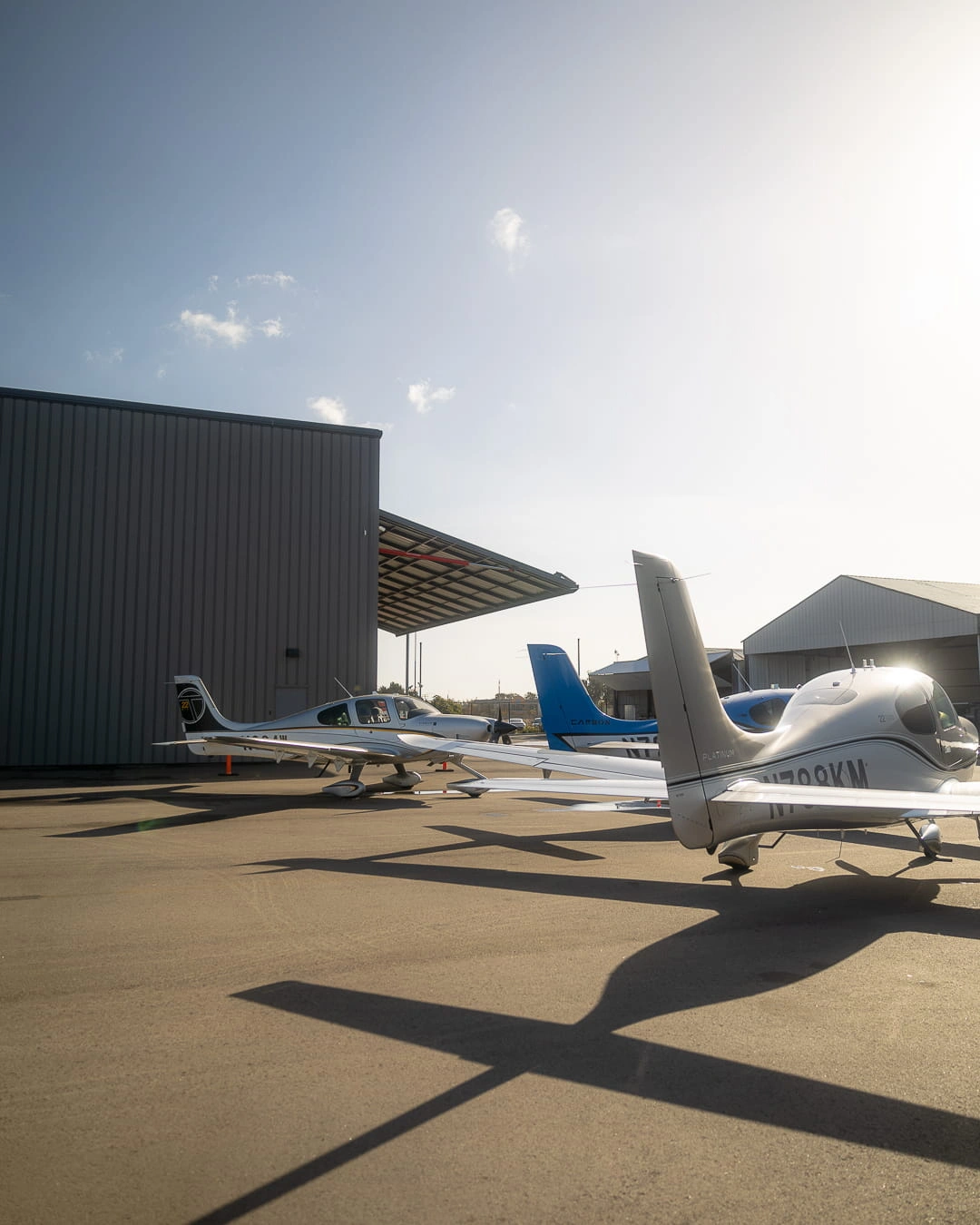
While owning an aircraft is a major capital investment, for many private investors, financing may be a viable option that allows them to acquire one without investing a large sum at once. A clear understanding of aircraft financing is crucial to the acquisition process, whether you are looking into a piston aircraft, a turboprop, or a light jet.
While aircraft financing is similar to traditional auto financing, it has some distinct differences, such as being usually provided by specialized lenders, the aircraft being evaluated in great detail, and the financial situation being assessed in great detail.
Many private buyers work with an aircraft broker in San Diego to evaluate aircraft options, understand acquisition costs, and navigate the purchasing process with greater confidence.
Understanding Aircraft Financing
First-time buyers often start their search for a new aircraft before determining what financing options are available. This can lead to unrealistic expectations or to spending time on an aircraft that is not within budget.
Aircraft financing is designed specifically for aircraft assets and frequently is done in partnership with lenders experienced in aircraft valuation, maintenance, depreciation, and operational risks. Buyers should first establish a realistic budget and determine how financing options will affect overall ownership costs over the life of the loan.
Common Aircraft Financing Options for Private Buyers
Private buyers can select from several financing structures based on their financial profile and acquisition objectives.
Traditional Aircraft Loans
This remains the most widely used approach. A lender lends money to a buyer, who repays it in regular payments at fixed intervals.
Fixed-Rate Financing
With fixed-rate loans, you will pay the same interest rate throughout the entire life of the loan. This type of structure provides monthly payments and facilitates better long-term financial planning.
Variable-Rate Financing
Variable-rate options are typically offered with a lower starting rate, but it can also change based on market conditions. This offers great flexibility, but also some uncertainty about future payments.
Specialized Aviation Lenders
Many buyers prefer lenders that specialize in aircraft financing. These organizations possess extensive knowledge of aircraft values, maintenance standards, and the unique aspects of aviation transactions. Coast Aircraft Sales regularly assists buyers throughout the aircraft acquisition process, helping them make informed decisions before proceeding with a purchase.
Cash Purchase vs Financing
Even customers with sufficient liquid funds for a cash transaction can use financing to preserve liquidity for other investments, business needs, or future opportunities. This will depend on the priorities of each buyer.
What Lenders Look for Before Approving an Aircraft Loan
Lenders assess both the buyer’s financial standing and the aircraft’s characteristics prior to approval. Common evaluation criteria include:
- Credit history and credit score
- Income and financial stability
- Debt-to-income ratio
- Down payment amount
- Aircraft age and condition
- Maintenance records
- Aircraft type and market value
Also Read: How Maintenance Records Affect Aircraft Value
Hidden Costs Beyond the Aircraft Purchase Price
Loan approval alone does not guarantee long-term affordability. Buyers must account for ongoing ownership expenses when evaluating any aircraft.
These typically encompass:
- Aircraft insurance
- Hangar or storage fees
- Fuel expenses
- Routine maintenance
- Annual inspections
- Pilot training
- Registration fees and taxes
Common Financing Mistakes First-Time Buyers Should Avoid
Many potential financing issues can be prevented with advance preparation. Frequent mistakes include:
- Shopping before establishing a financing budget
- Focusing only on monthly payments
- Ignoring maintenance history
- Underestimating ownership costs
- Choosing an aircraft that exceeds operational needs
- Waiting too long to secure pre-approval financing
Conclusion
Aircraft financing should serve as a tool to achieve ownership objectives rather than limit them. The most effective financing choice aligns closely with the selected aircraft, realistic operating expenses, and the buyer’s broader mission requirements. Buyers should always look at the aircraft and the financing plan together before making a final decision on any transaction.
Coast Aircraft Sales helps buyers from initial selection through maintenance review to financing, ensuring a successful and sustainable ownership experience. Contact us now!
FAQs
1. Can a private buyer finance an aircraft purchase?
Yes. Private buyers may obtain aircraft financing through specialised aviation lenders, banks, or other financing providers. Approval and terms depend on the buyer, aircraft, loan structure, and lender requirements.
2. What do lenders consider before approving aircraft financing?
Lenders may consider credit history, income, assets, liquidity, debt, purchase price, aircraft age, condition, maintenance history, market value, intended use, and the requested loan amount.
3. How much down payment is required for an aircraft loan?
The required down payment varies by lender, aircraft, transaction, and borrower profile. Buyers should request financing terms early to understand the cash contribution and closing requirements.
4. Can I finance a pre-owned aircraft?
Yes, but financing may depend on the aircraft’s age, condition, marketability, records, and remaining useful life. Older or specialised aircraft may have fewer lending options or different terms.
5. Does the lender require an aircraft appraisal?
A lender may require an independent appraisal or valuation to confirm that the aircraft supports the requested loan amount. Maintenance status, equipment, utilisation, and comparable sales may affect the appraised value.
6. Is a pre-buy inspection required for financing?
Some lenders may require an inspection, records review, or specific condition report before funding. Even when it is not required, a thorough pre-buy inspection remains an important form of buyer protection.
7. What documents are needed for aircraft financing?
Buyers may need financial statements, tax returns, identification, bank information, aircraft specifications, purchase agreements, maintenance information, insurance documents, and details about the intended ownership structure.
8. Should I arrange financing before making an offer?
Starting early can clarify your budget, down payment, approval conditions, and closing timeline. A financing contingency may also be considered when negotiating the aircraft purchase agreement.
9. What additional financing costs should I expect?
Possible costs include appraisal fees, legal expenses, title and escrow charges, documentation fees, inspections, insurance, taxes, and closing costs. Buyers should request a complete estimate from the relevant providers.
10. Can an aircraft broker help with financing?
A broker may introduce buyers to aviation lenders, provide aircraft information, coordinate valuation and inspection requirements, and help align financing with the transaction. The final lending decision remains with the finance provider.